Money exists, time does not: why European defense is stalling and where Ukraine fits in
The European Union faces a deep industrial crisis in defense despite multi-billion budgets, creating new opportunities for a strategic partnership with Ukraine.
 🇺🇦Ukraine
Photo: Ukrainska Pravda
Key points
- EU defense spending reached 454 billion euros, yet industrial bottlenecks rather than funding shortages remain the main hurdle.
- Top European defense contractors face multi-year backlog orders due to a persistent preference for national procurement.
- Military experts emphasize that integrating Ukrainian industrial capacity is crucial to resolving Europe's air defense shortages.
Modern Europe is navigating a turbulent period, simultaneously tackling cyber threats, adapting to political shifts, and attempting to overhaul its security architecture without relying entirely on the United States. Despite a significant increase in defense spending — projected to reach 454 billion euros or 2.4% of GDP this year — the Old Continent's primary bottleneck is no longer financial, but industrial capacity.
Industrial deadlocks and weapon queues
European governments continue allocating the vast majority of funds to national manufacturers rather than joint procurement, keeping cooperative purchases at just 24% against a 35% target. This fragmentation has driven a nearly 10% increase in distinct military platforms across Europe since 2014, with orders heavily concentrated among the top ten contractors. Consequently, order books for heavyweights like Rheinmetall and CSG are packed years in advance, leading to severe delivery delays.
- Air defense remains the most acute vulnerability, with production rates lagging dangerously behind strategic demands.
- Experts and military officials highlight critical shortages of raw materials, skilled personnel, and unified European certification standards.
- The high cost of Western interceptor missiles creates a severe economic mismatch when deployed against inexpensive enemy drones.
Against this backdrop, Ukraine's wartime expertise and industrial potential could serve as a vital catalyst for strengthening Europe's defense readiness. As European militaries deplete their own stockpiles to support Kyiv, integrating Ukraine's defense-industrial base into the broader European framework is emerging as a practical necessity to counter rising geopolitical threats.
Source Ukrainska Pravda — pravda.com.ua/columns/2026/11/18/8063428/ ↗
Read next
 🛡️Security
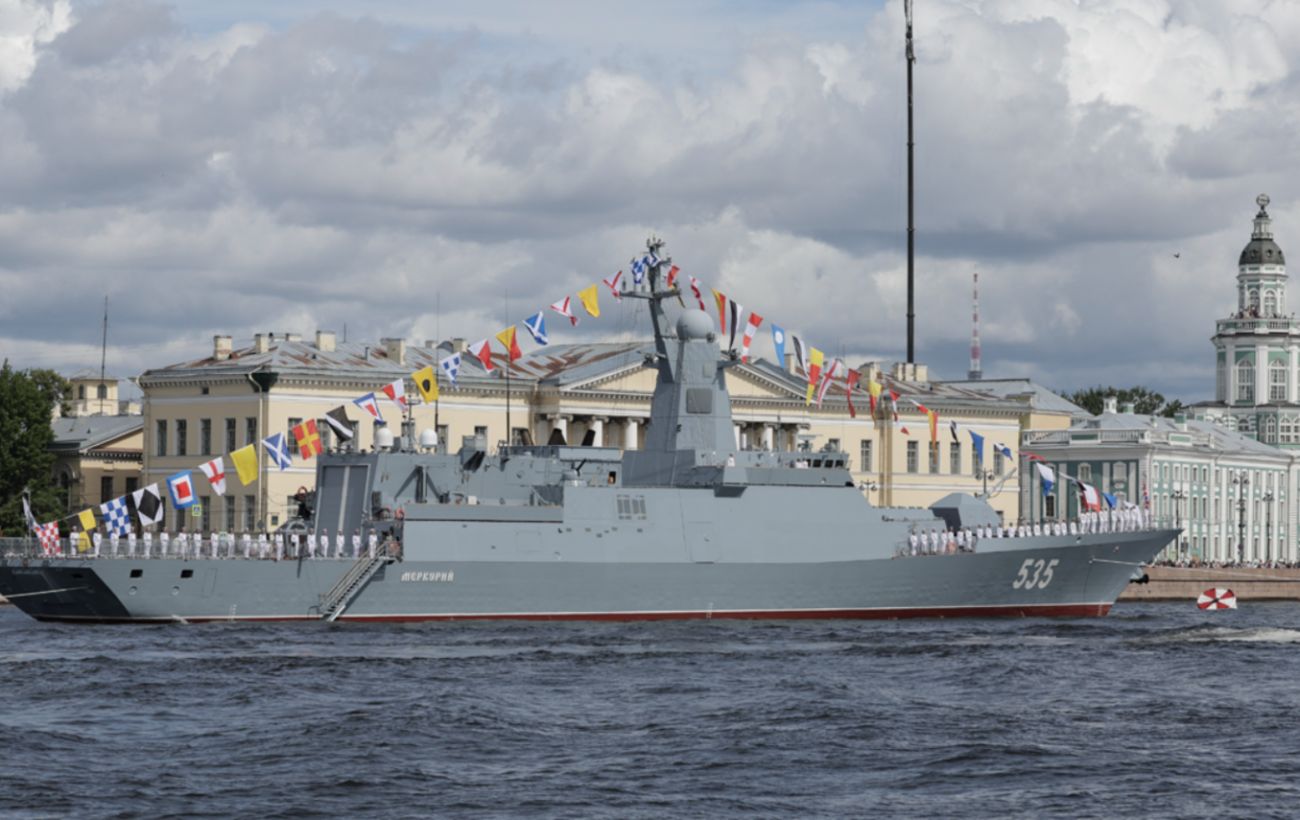
Russian corvette 'Mercury' sinks in Benghazi port following sea drone attack
A Russian military vessel transporting weapons was attacked in Libya. The incident resulted in casualties among Russian and Libyan citizens.
 🛡️Security
Rescue operation in Dymer: death toll rises to nine
Rescue teams are continuing search efforts in Dymer, Kyiv region, where a recent attack has left nine people dead.
 🛡️Security
Energy workers restore power in Rivne region following enemy attack
Electricity supply has been fully restored in the Sarny district of the Rivne region after a major Russian attack on November 20.
 🎭Culture & Sport
Autumn Rose Care: Expert Tips on Pruning
Gardeners in Zaporizhzhia are preparing for winter: experts explain why one should not rush into radical rose pruning before the frost sets in.
 🛡️Security
89-year-old woman rescued from rubble of destroyed building in Dymer
Rescue teams continue clearing debris in the Kyiv region after a drone strike on an apartment building. The death toll from the attack has risen to nine.
 🛡️Security
Russian corvette Merkury damaged in Libya: potential maritime drone attack
A Russian warship was damaged by an explosion in the Libyan port of Benghazi, with reports suggesting a potential Ukrainian drone strike.