Ecological anomaly in the Atlantic: rapid growth of the sargassum belt
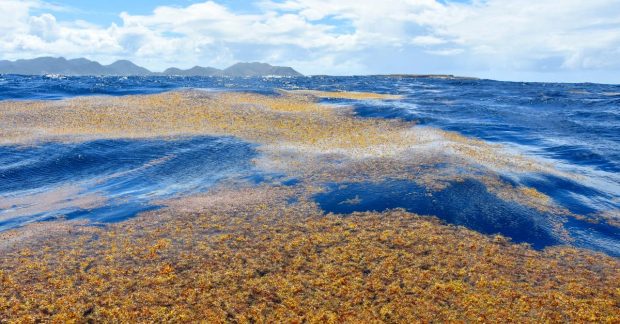
Scientists have documented a record-breaking expansion of a brown algae belt in the Atlantic Ocean, posing significant challenges to global marine ecosystems.
 💡Tech
Photo: UNIAN
Key points
- Record 8850 km algae belt
- Impact of agricultural runoff
- Threat to marine ecosystems
An unprecedented phenomenon is unfolding in the Atlantic Ocean: a massive belt of pelagic sargassum, stretching from the coast of West Africa to the Gulf of Mexico, has reached a record length of 8,850 kilometers. Known as the Great Atlantic Sargassum Belt (GASB), this formation has been expanding rapidly since 2011, evolving from a local ecological curiosity into a global concern.
Causes and implications of the growth
Research published in the journal "Harmful Algae" indicates that the primary driver of this anomalous growth is the excessive influx of nitrogen and phosphorus. These nutrients enter the ocean via agricultural runoff, sewage discharge, and flooding from major rivers, particularly the Amazon.
- The ability of sargassum to double its biomass in just 11 days in nutrient-rich waters.
- Release of toxic hydrogen sulfide and methane during the decomposition of algae on shorelines.
- Threats to coral reefs and marine life due to the creation of "dead zones."
While sargassum serves as a vital habitat for many marine species, its overabundance has become an environmental hazard. The decomposition of vast amounts of algae on beaches not only damages the tourism industry but also impacts the planet's carbon cycle.
Source UNIAN — unian.ua/ecology/sargasovi-vodorosti-v-atlantici-chomu-gigantskiy-p… ↗
Read next
 🛡️Security
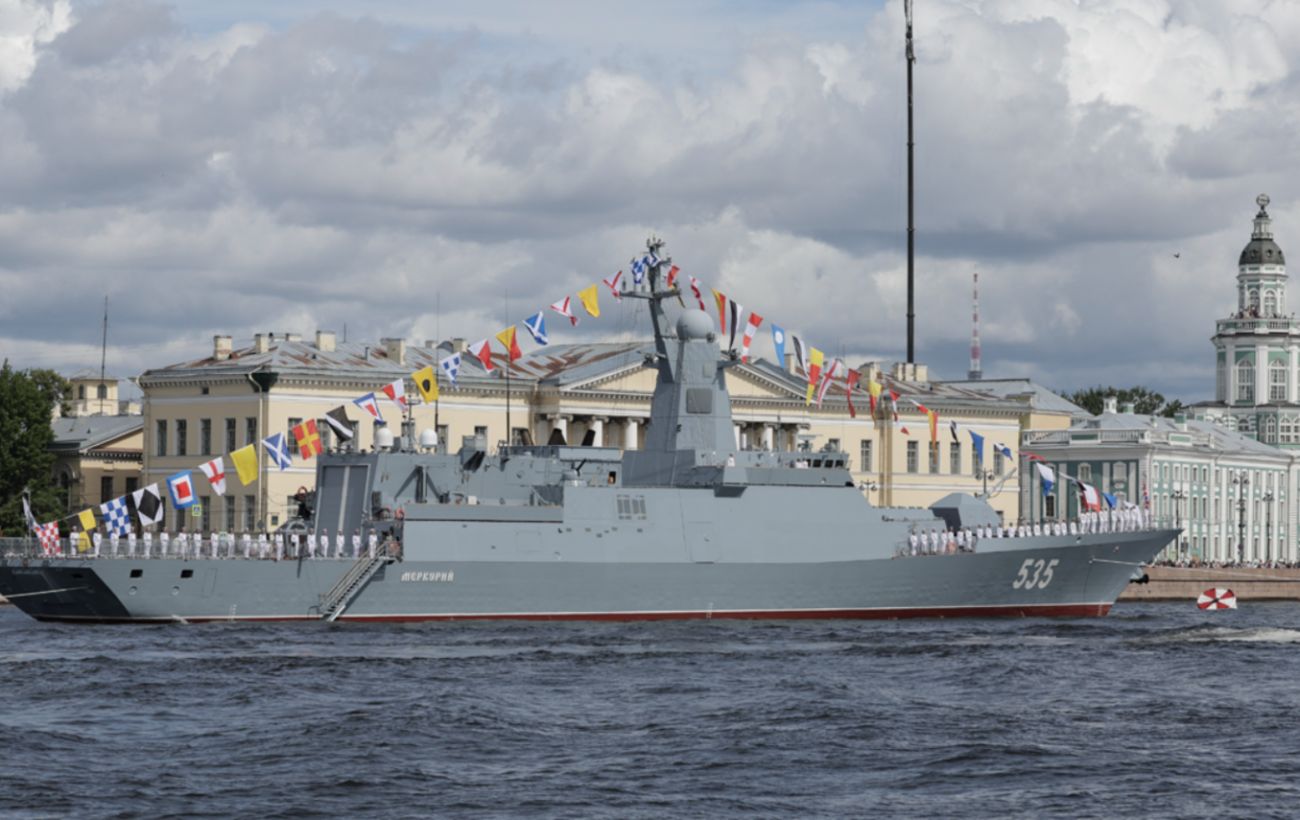
Russian corvette 'Mercury' sinks in Benghazi port following sea drone attack
A Russian military vessel transporting weapons was attacked in Libya. The incident resulted in casualties among Russian and Libyan citizens.
 🇺🇦Ukraine
Russian Strike on Dnipro Damages Depot, Halts Metro, and Disrupts Water Supply
On the evening of November 22, a Russian strike hit Dnipro, causing substantial damage to public transport facilities, local utilities, and private homes.
 🛡️Security
Rescue operation in Dymer: death toll rises to nine
Rescue teams are continuing search efforts in Dymer, Kyiv region, where a recent attack has left nine people dead.
 🛡️Security
Energy workers restore power in Rivne region following enemy attack
Electricity supply has been fully restored in the Sarny district of the Rivne region after a major Russian attack on November 20.
 🎭Culture & Sport
Autumn Rose Care: Expert Tips on Pruning
Gardeners in Zaporizhzhia are preparing for winter: experts explain why one should not rush into radical rose pruning before the frost sets in.
 🇺🇦Ukraine
Estonia supports Ukraine's right to self-defense following Gulf of Finland incident
Estonian Foreign Minister Margus Tsahkna stated that the strike on a Russian vessel is a consequence of Russian aggression, reaffirming Ukraine's right to defend itself.