Microplastics in water: scientists discover a new hidden threat to cells
Research from Columbia and UC Berkeley proves that microplastics can trigger dangerous chemical reactions when in contact with water.
 🩺Health
Photo: TSN
Key points
- Microplastics generate reactive oxygen species in water
- Cell damage confirmed by laboratory tests
- Household heating of plastic accelerates particle release
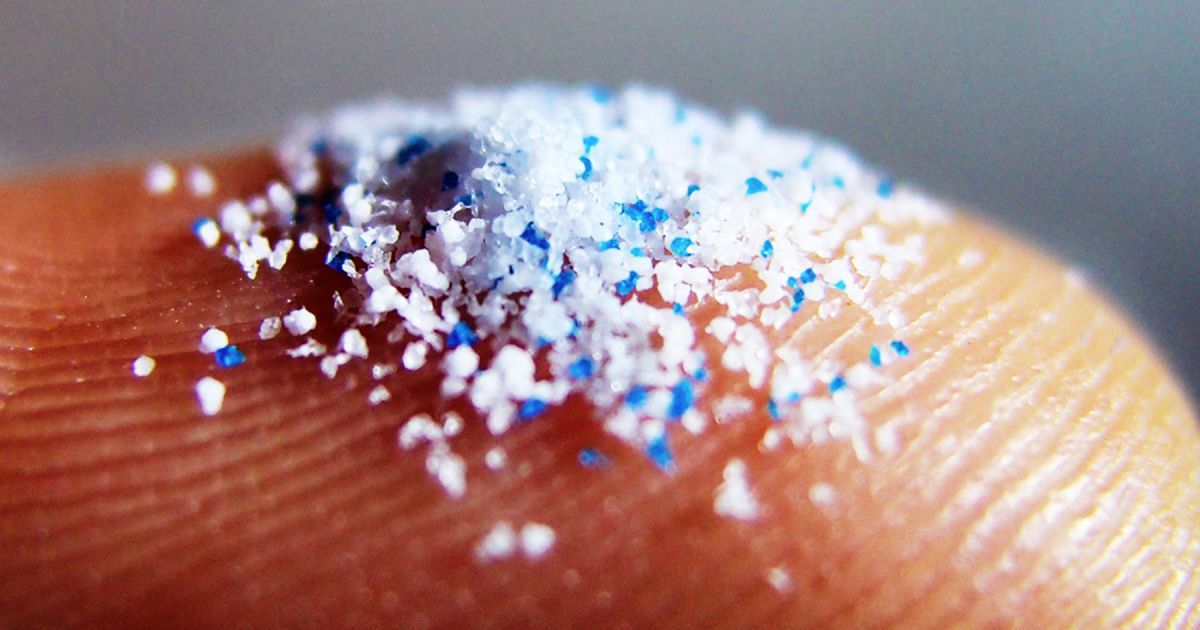
Microplastics have proven to be much more active pollutants than previously thought. A new joint study by scientists at Columbia University and the University of California, Berkeley, has shown that tiny plastic particles do not just accumulate in organisms but actively interact with water chemically.
Chemical activity on the plastic surface
When in contact with water, reactive oxygen species (ROS), such as hydroxyl radicals, form on the surface of microplastics. These compounds are capable of damaging proteins, DNA, and entire cellular structures. Experiments with mouse erythrocytes demonstrated that polystyrene can cause the destruction of cell membranes.
- Polyethylene and polypropylene showed the highest activity.
- PET and acrylic showed less tendency to form reactive molecules.
- As particle size decreases, their surface area increases, which intensifies chemical reactions.
Researchers emphasize that sources of microplastics include not only trash but also household processes: washing synthetic clothes, heating plastic containers in microwaves, and storing water under direct sunlight for long periods.
Source TSN — tsn.ua/zdorovya/mikroplastyk-vyiavyvsia-nebezpechnishym-niz-vvazaly-shc… ↗
Read next
 🛡️Security
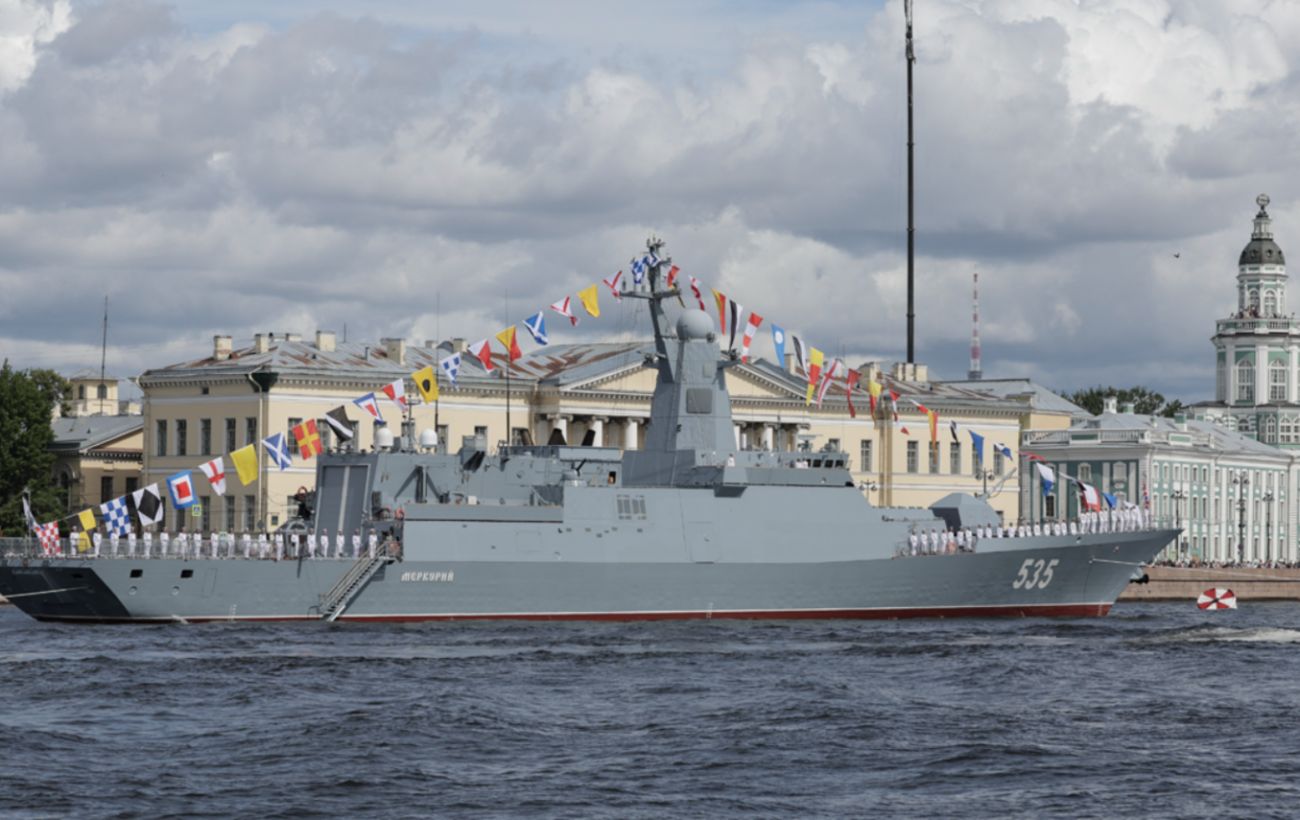
Russian corvette 'Mercury' sinks in Benghazi port following sea drone attack
A Russian military vessel transporting weapons was attacked in Libya. The incident resulted in casualties among Russian and Libyan citizens.
 🇺🇦Ukraine
Russian Strike on Dnipro Damages Depot, Halts Metro, and Disrupts Water Supply
On the evening of November 22, a Russian strike hit Dnipro, causing substantial damage to public transport facilities, local utilities, and private homes.
 🛡️Security
Rescue operation in Dymer: death toll rises to nine
Rescue teams are continuing search efforts in Dymer, Kyiv region, where a recent attack has left nine people dead.
 🛡️Security
Energy workers restore power in Rivne region following enemy attack
Electricity supply has been fully restored in the Sarny district of the Rivne region after a major Russian attack on November 20.
 🎭Culture & Sport
Autumn Rose Care: Expert Tips on Pruning
Gardeners in Zaporizhzhia are preparing for winter: experts explain why one should not rush into radical rose pruning before the frost sets in.
 🇺🇦Ukraine
Estonia supports Ukraine's right to self-defense following Gulf of Finland incident
Estonian Foreign Minister Margus Tsahkna stated that the strike on a Russian vessel is a consequence of Russian aggression, reaffirming Ukraine's right to defend itself.