History and Traditions of New Year: Why We Celebrate on January 1st
We explore how the tradition of marking the beginning of the calendar year on January 1st was formed and what historical events influenced this choice.
 🎭Culture & Sport
Photo: TSN
Key points
- January 1st became the New Year date due to the reforms of Julius Caesar and Gregory XIII.
- The month 'January' is named after the Roman god Janus.
- In the Middle Ages, European countries celebrated the New Year on various dates.
The tradition of celebrating New Year on January 1st has not always been universal. Historically, different cultures linked the start of a new cycle to natural phenomena, such as the vernal equinox or the flooding of the Nile. In Babylon, celebrations lasted 11 days, while in Ancient Rome, the year initially began in the spring.
From Julius Caesar to the Gregorian Calendar
The establishment of January 1st as the start of the year was the result of reforms. In 46 BC, Julius Caesar introduced the Julian calendar, dedicating the first month of the year to Janus, the god of transitions and beginnings. However, even after this, in medieval Europe, the start of the year often fell on religious holidays such as Christmas or the Annunciation.
Unification occurred with the introduction of the Gregorian calendar by Pope Gregory XIII in 1582. This system became the basis for modern civil timekeeping, cementing January 1st as the start of the year in most countries around the world.
Source TSN — tsn.ua/tsikavinki/koly-sviatkuiut-novyy-rik-chomu-data-prypadaye-na-1-s… ↗
Read next
 🏙️City
Changing flame color on gas stoves: what Zaporizhzhia residents should know
Experts warn that a yellow flame on a gas stove may indicate incomplete combustion and the risk of carbon monoxide poisoning.
 🏙️City
Power outage schedules in Zaporizhzhia for November 24
Planned power outages will be implemented in Zaporizhzhia and the region on November 24 to stabilize the power grid.
 👥Society
President warns of new Russian strike threats and outlines drone defense strategy
Volodymyr Zelenskyy reported on intelligence regarding enemy plans and discussed strategies for countering Russian drones in the coming years.
 👥Society
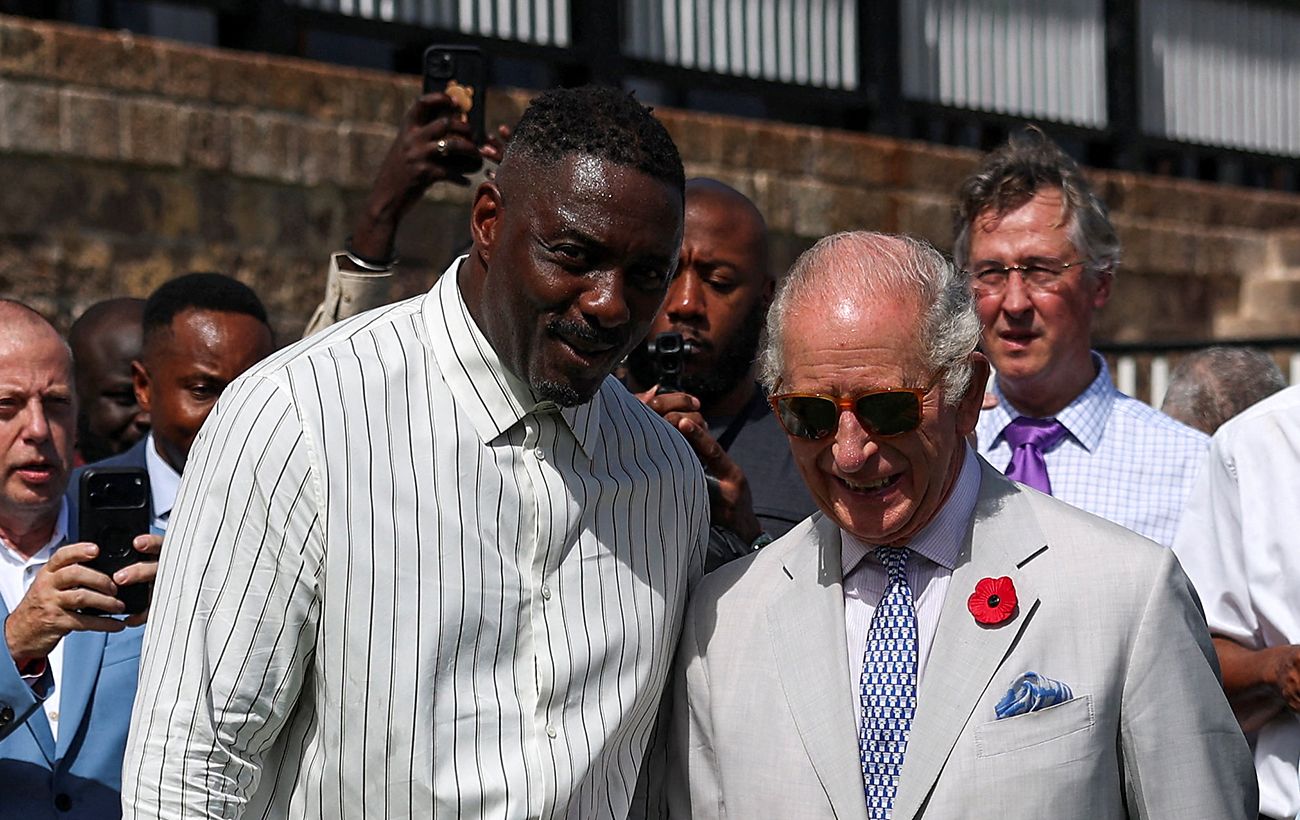
King Charles III and Idris Elba feature in new documentary on philanthropy
The British monarch and the acclaimed actor join forces in a Netflix documentary to highlight the impact of The King's Trust.
 🏙️City
Defense against new Russian drones: President discusses countermeasures
Volodymyr Zelenskyy held a Staff meeting focusing on protecting Ukrainian skies from enemy jet-powered drones.
 🏙️City
President warns of new massive strikes: what Zaporizhzhia residents need to know
Volodymyr Zelenskyy reported that Russia is preparing new missile strikes across Ukraine and urged citizens not to ignore air raid alerts.