New AFU Nutrition Standards: Digital Logistics and Expanded Menus for Defenders
The Ministry of Defense of Ukraine is implementing the DOT-Chain Food digital system and updating its food catalog to include specialized dietary and religious needs.
 🏙️City
Photo: RBC-Ukraine
Key points
- Mandatory DOT-Chain Food digital system launched for logistics control
- Food catalog expanded to 360 items, including halal, kosher, and vegan options
- New MREs with heaters and water purifiers introduced in late 2026
- State Operator for Non-Lethal Acquisition (DOT) centralizes all food procurement
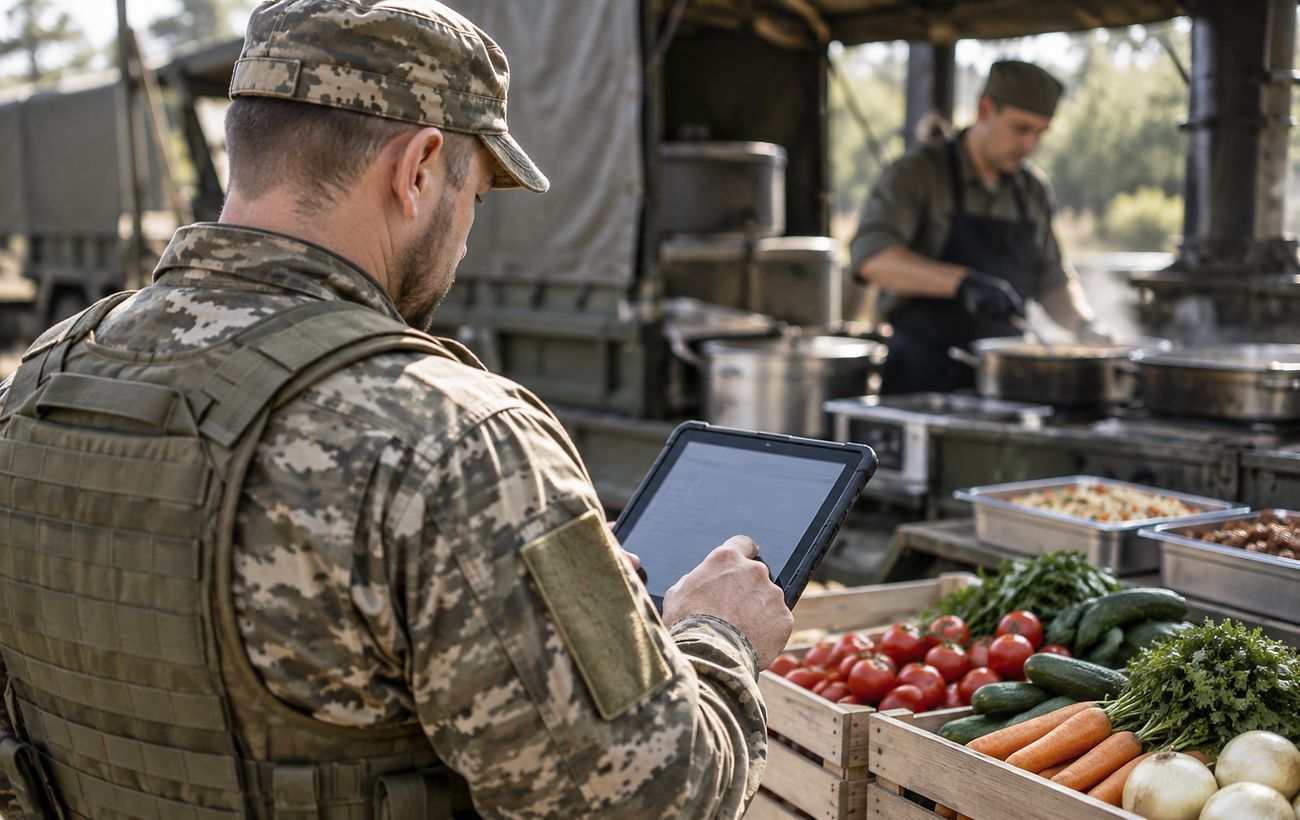
The food supply system for the Ukrainian military is undergoing a major transformation, shifting to digital platforms and expanding its range of products. Procurement for the Armed Forces of Ukraine and the State Special Transport Service (SSTS) is now managed by the State Operator for Non-Lethal Acquisition (DOT). This agency not only handles tenders and contracts but also maintains full control over logistics and contract execution, aiming to eliminate corruption and ensure steady supplies to both rear and frontline units.
Digitalization and Process Transparency
A key innovation is the DOT-Chain Food digital system, which became mandatory for all food supply documentation in November 2026. Previously, the process relied on paper-based workflows, with orders sent via email and physical delivery notes. The new platform covers the entire cycle — from a commander's request to delivery confirmation. This allows for real-time tracking of food movements and rapid responses to quality issues or delays.
On-site food organization remains the responsibility of unit commanders. They determine whether hot meals or dry rations are needed based on combat missions. Food service chiefs design menus using the updated catalog, ensuring caloric requirements are met for all personnel.
Updated Catalog and Inclusive Menus
The current AFU food catalog features 360 items. Since June 2026, all entries include detailed nutritional information, such as calorie counts and protein/fat content for meat and dairy products. A significant step toward inclusivity is the addition of halal and kosher certified products, as well as vegan options for soldiers who abstain from animal products for ethical or religious reasons.
- Hot meals (three or four times daily) remain the priority for permanent bases and training centers.
- Field rations with extended shelf lives are used in challenging security environments.
- A new alternative dry ration, approved in October 2026, includes water disinfection tablets and flameless heaters.
Procurement for 2027 has already been announced under these updated requirements. For military units stationed near Zaporizhzhia, these changes mean streamlined logistics and guaranteed food quality regardless of the intensity of operations.
Source RBC-Ukraine — rbc.ua/ukr/news/harchuvannya-zsu-po-novomu-chim-goduyut-viyskovih-1… ↗
Read next
 🛡️Security
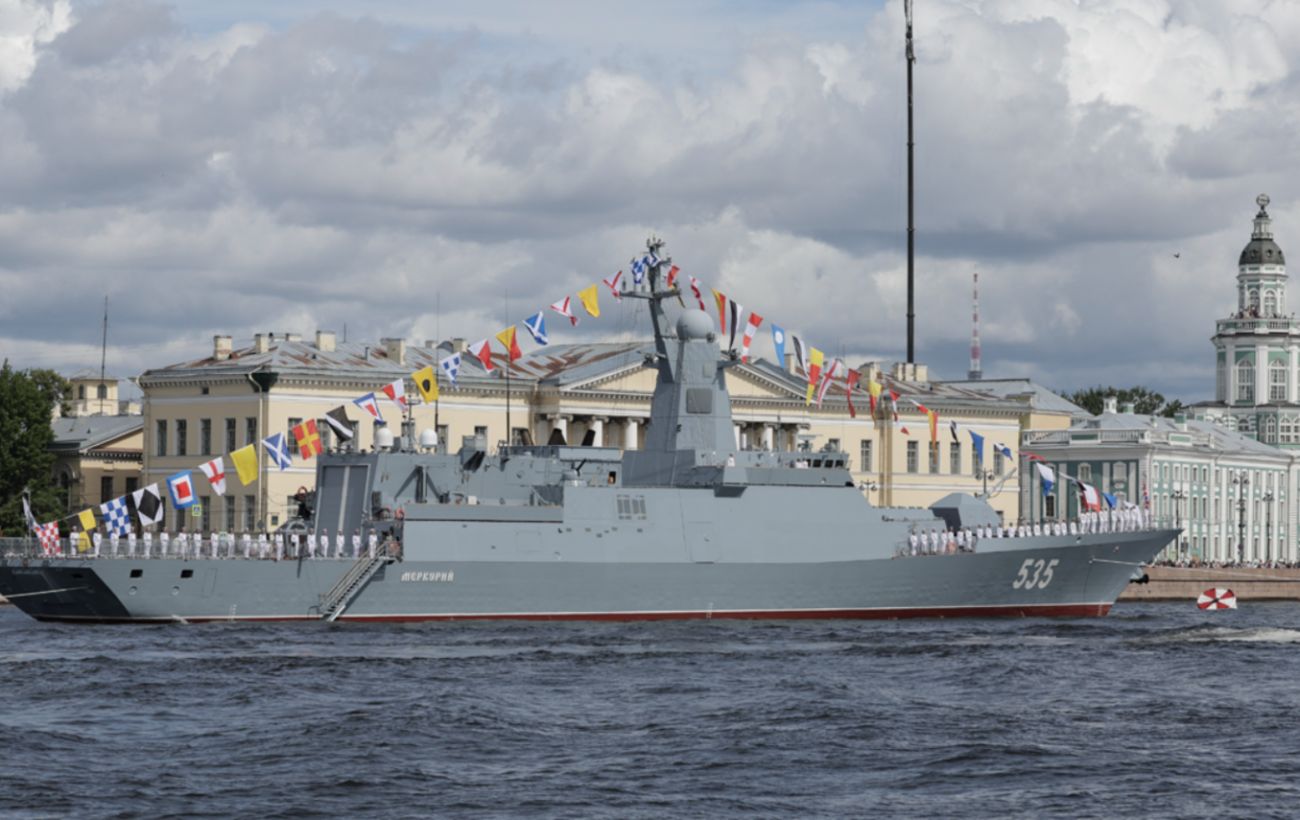
Russian corvette 'Mercury' sinks in Benghazi port following sea drone attack
A Russian military vessel transporting weapons was attacked in Libya. The incident resulted in casualties among Russian and Libyan citizens.
 🇺🇦Ukraine
Russian Strike on Dnipro Damages Depot, Halts Metro, and Disrupts Water Supply
On the evening of November 22, a Russian strike hit Dnipro, causing substantial damage to public transport facilities, local utilities, and private homes.
 🛡️Security
Rescue operation in Dymer: death toll rises to nine
Rescue teams are continuing search efforts in Dymer, Kyiv region, where a recent attack has left nine people dead.
 🛡️Security
Energy workers restore power in Rivne region following enemy attack
Electricity supply has been fully restored in the Sarny district of the Rivne region after a major Russian attack on November 20.
 🎭Culture & Sport
Autumn Rose Care: Expert Tips on Pruning
Gardeners in Zaporizhzhia are preparing for winter: experts explain why one should not rush into radical rose pruning before the frost sets in.
 🇺🇦Ukraine
Estonia supports Ukraine's right to self-defense following Gulf of Finland incident
Estonian Foreign Minister Margus Tsahkna stated that the strike on a Russian vessel is a consequence of Russian aggression, reaffirming Ukraine's right to defend itself.